
Understanding Gambling Addiction
Gambling addiction, often referred to as compulsive gambling, is recognized as a behavioral disorder characterized by an uncontrollable urge to gamble despite negative consequences. This behavior can stem from various psychological factors, including a desire for excitement, the allure of instant gratification, and an escape from reality. Individuals often find themselves caught in a cycle of gambling where the thrill of winning overshadows the risk of loss, leading them deeper into addiction. Many people explore the best sports betting sites canada to enhance their experience, but the initial allure of gambling can be intoxicating, and many individuals start with social gambling, perceiving it as harmless fun. However, this perception can change dramatically as the addiction takes hold.
Many individuals who develop a gambling addiction may initially perceive it as harmless entertainment. However, over time, their relationship with gambling shifts from enjoyment to dependency. This change is driven by the brain’s reward system, which releases dopamine—a neurotransmitter associated with pleasure—during gambling activities. As individuals seek out these dopamine highs, they may ignore the potential hazards associated with their actions, leading to financial, emotional, and interpersonal challenges. The brain’s adaptation to these high-stakes situations creates a feedback loop where individuals are compelled to gamble more to achieve the same level of excitement.
Furthermore, gambling addiction can often overlap with other psychological issues, such as anxiety, depression, or substance use disorders. This comorbidity complicates treatment options and highlights the necessity for a multifaceted approach to recovery. Understanding the intricate interplay between these conditions is crucial for developing effective intervention strategies tailored to individual needs. For instance, someone dealing with anxiety may find temporary relief in gambling but ultimately exacerbate their condition, creating a vicious cycle that can be challenging to break.
The Role of Cognitive Biases
Cognitive biases play a significant role in the perpetuation of gambling addiction. Many gamblers experience an illusion of control, believing they can influence outcomes through skill or strategy, even in games of chance. This illusion can lead individuals to take greater risks and continue gambling despite repeated losses, as they cling to the belief that a win is imminent. Such distorted thinking patterns often cloud judgment, making it difficult for individuals to recognize their addiction. This cognitive distortion can lead to a sense of entitlement where individuals feel that their past losses entitle them to a win, further fueling their gambling behavior.
Another common cognitive bias is the gambler’s fallacy, where individuals believe that past events influence future outcomes. For example, someone might think that because a particular slot machine hasn’t paid out recently, it’s “due” for a win soon. This fallacy can encourage people to gamble more, hoping that luck will eventually change in their favor, perpetuating the cycle of addiction and financial loss. By interpreting random events as patterns, individuals can become trapped in a cycle of irrational beliefs that sustain their gambling behaviors.
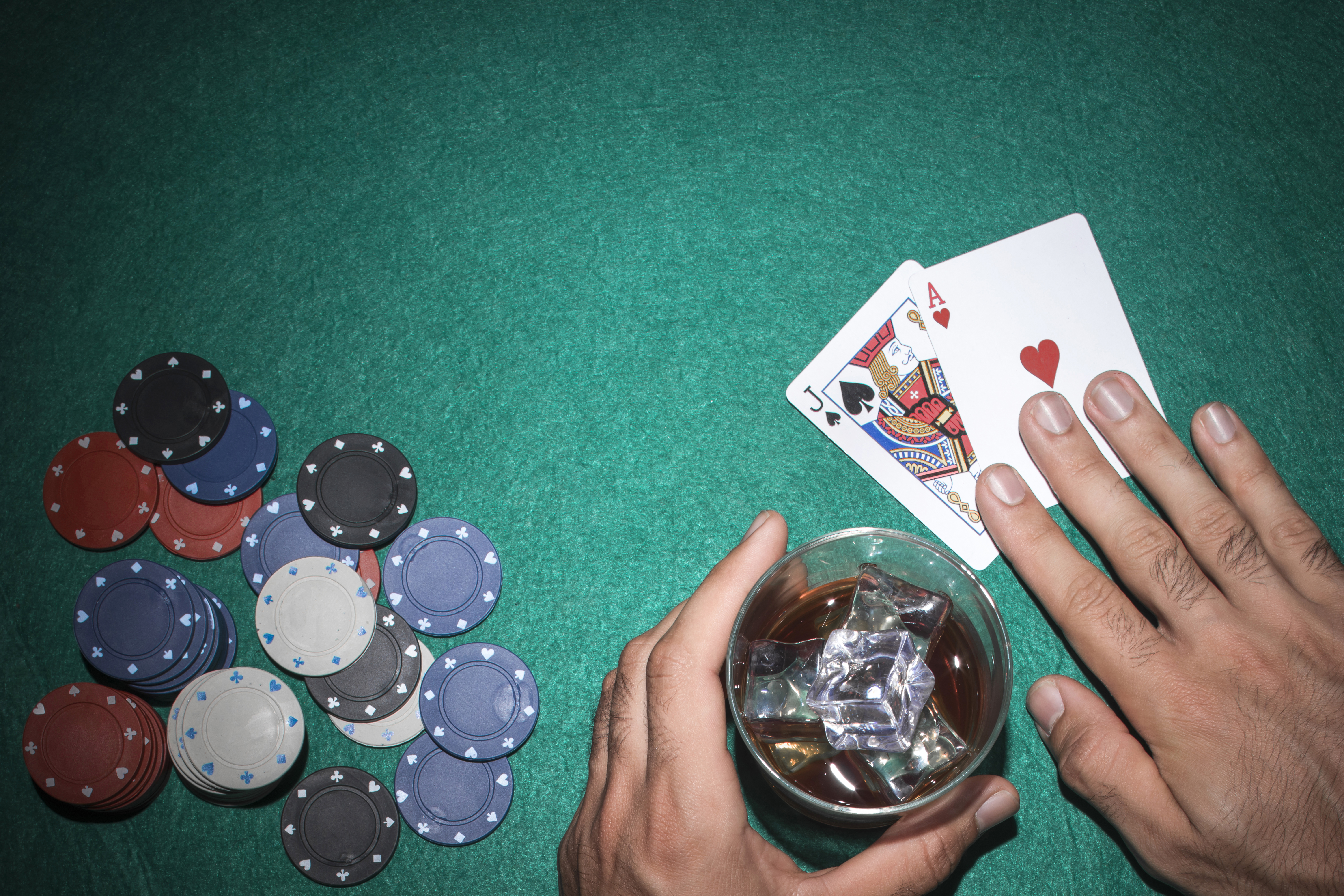
Moreover, emotional reasoning often plays a part in gambling behaviors. Individuals may feel that gambling provides a release from stress or emotional pain, leading them to seek refuge in gambling as a coping mechanism. This reliance on gambling to manage emotions only reinforces the addiction, as escaping reality through betting can temporarily alleviate feelings while simultaneously creating deeper issues in the long run. The emotional highs associated with gambling often mask underlying problems, making it increasingly difficult for individuals to confront their addiction and seek help.
The Impact of Social Environment
The social environment significantly influences gambling behavior and can either encourage or discourage the development of addictive patterns. Social networks that normalize gambling can contribute to an individual’s likelihood of developing an addiction, as participating in gambling activities with friends or family may reinforce the behavior. In cultures where gambling is celebrated, individuals may feel pressured to engage in gambling to fit in or to be perceived as successful. This social endorsement of gambling can lead to a diminished awareness of its potential dangers, further perpetuating the cycle of addiction.
Conversely, isolation can exacerbate gambling addiction, as individuals may retreat into gambling as a solitary activity when facing personal difficulties. This can create a disconnection from supportive social networks and lead to a further descent into addiction. Individuals who gamble alone may become even more entrenched in their addiction, as they lack the external checks and balances that a supportive social network can provide. Understanding the dynamic between social influence and gambling behavior is essential in addressing and treating gambling addiction effectively.
Additionally, the role of advertising and media cannot be underestimated. With the rise of online betting platforms and the portrayal of gambling in movies and television, society is often inundated with messages that glamorize gambling. This pervasive exposure can distort perceptions, making gambling seem like an easy way to achieve wealth and excitement, which can lead to increased addiction rates, particularly among vulnerable populations. The normalization of gambling in popular culture can create an environment where individuals feel that engaging in gambling is not only acceptable but desirable, complicating efforts to combat addiction.
Treatment and Recovery Approaches
Treatment for gambling addiction typically involves a combination of therapeutic approaches aimed at addressing both the behavioral and psychological components of the addiction. Cognitive-behavioral therapy (CBT) has emerged as one of the most effective methods, helping individuals identify and alter distorted thought patterns related to gambling. Through CBT, individuals learn to develop healthier coping mechanisms and strategies for managing their urges to gamble. This therapeutic approach also involves setting realistic goals and developing problem-solving skills, which can empower individuals to regain control over their lives.

Support groups, such as Gamblers Anonymous, also play a critical role in recovery. These groups provide a safe space for individuals to share their experiences, find encouragement, and learn from others who have faced similar struggles. The communal aspect of support groups fosters accountability, allowing individuals to feel less isolated in their journey toward recovery. Sharing personal experiences can help individuals recognize the shared nature of their struggles and reduce feelings of shame or guilt associated with their addiction.
Moreover, some individuals may benefit from medication, particularly if they are also dealing with underlying mental health issues such as depression or anxiety. Medications like antidepressants or mood stabilizers can help manage symptoms and reduce the compulsive behaviors associated with gambling addiction. A comprehensive treatment plan that includes behavioral therapy, social support, and, if necessary, medication can greatly enhance the chances of successful recovery. Collaboration between healthcare providers and patients is essential to tailor treatment plans that address the unique needs of each individual.
Exploring Resources for Help
The journey to recovery from gambling addiction can be challenging, but many resources are available to help individuals navigate this path. Numerous organizations focus on providing support, information, and treatment options for those struggling with gambling addiction. Websites dedicated to gambling addiction prevention and recovery often offer educational materials, self-assessment tools, and directories for finding local support groups and therapists specializing in addiction treatment. These resources can equip individuals with essential knowledge to better understand their addiction and the steps necessary for recovery.
Furthermore, online forums and chat rooms can serve as valuable platforms for sharing experiences and accessing peer support in a virtual environment. These resources can be especially beneficial for individuals who may feel embarrassed about their addiction or those who prefer seeking help from the comfort of their own home. The anonymity provided by these platforms often encourages open dialogue and exploration of personal challenges related to gambling. Engaging with others who share similar experiences can foster a sense of belonging and reduce feelings of isolation.
For those seeking immediate assistance, many hotlines are available, providing confidential support and guidance. These resources allow individuals to talk with trained professionals who can assist in assessing their situation and recommending appropriate next steps. By utilizing these resources, individuals struggling with gambling addiction can find the support they need to reclaim their lives and foster healthier relationships with gambling and their overall well-being. Access to timely help can be a critical factor in initiating the recovery process and achieving long-term success.